Nigeria raises electricity tariff by 300% for most power users after subsidy removal
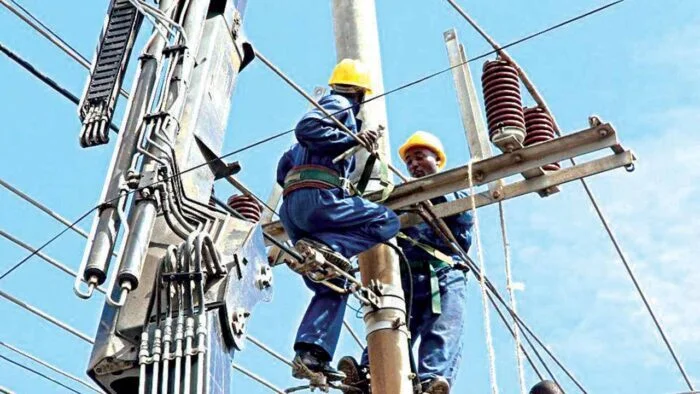
Nigeria’s electricity regulator has approved an increase in tariffs for consumers who use the most power as the government commences a move to halt subsidy payments to reduce spending on public expenditures.
The vice chairman of the Nigerian Electricity Regulatory Commission (NERC), Musiliu Oseni, confirmed the new rate review of 225 naira per kilowatt hour from a maximum of 68 naira per kilowatt hour.
Oseni noted that the commission would classify clients based on data from electrical distributors.
Presidential spokesperson Bayo Onanuga had earlier disclosed the intention of the government to end an electricity subsidy for 15% of consumers to reduce its $2.6 billion cost.
Nigeria, Africa’s most populous nation, experiences recurrent electricity shortages, which result in years of slow growth.
The power sector is battling with many difficulties, including a failing national grid, gas shortages, huge debt, and vandalism.
It has 12,500 megawatts of installed capacity but only produces approximately a fourth of that, forcing many Nigerians to rely on costly diesel-powered generators.
The government has pledged to end subsidies following recommendations by the World Bank to help Nigeria improve the state of its public finances.